Marketing feels more like a sprint than a marathon these days. The pressure is real: Numbers are always flashing, trends shift overnight, and everyone’s chasing the next sale.
In the past, PR aimed to shape how people viewed a brand by earning media coverage. The main goals were to get noticed, build awareness, and shape reputation.
Here in this safe space, it’s a time for sharing, truth-telling and getting it all—as uncomfortable as it might be—out into the open.
And oh, yeah. Cameras were rolling on the whole thing.
If 2025 taught us anything, it’s this: marketing didn’t stall—it sent signals. Across creative reviews, campaign post-mortems, social feeds, and client conversations, the same patterns kept showing up.
In the building products world, where specifications are slow to change, sales cycles are long, and economic conditions shift quickly, the most effective marketing plans are the ones shaped by both sales and marketing—not sequentially, but collaboratively.
In recent years, marketing budgets have swung heavily toward digital. With its precision targeting and real-time metrics, digital feels like the “safe” investment—especially in B2B marketing, where efficiency and ROI are king.
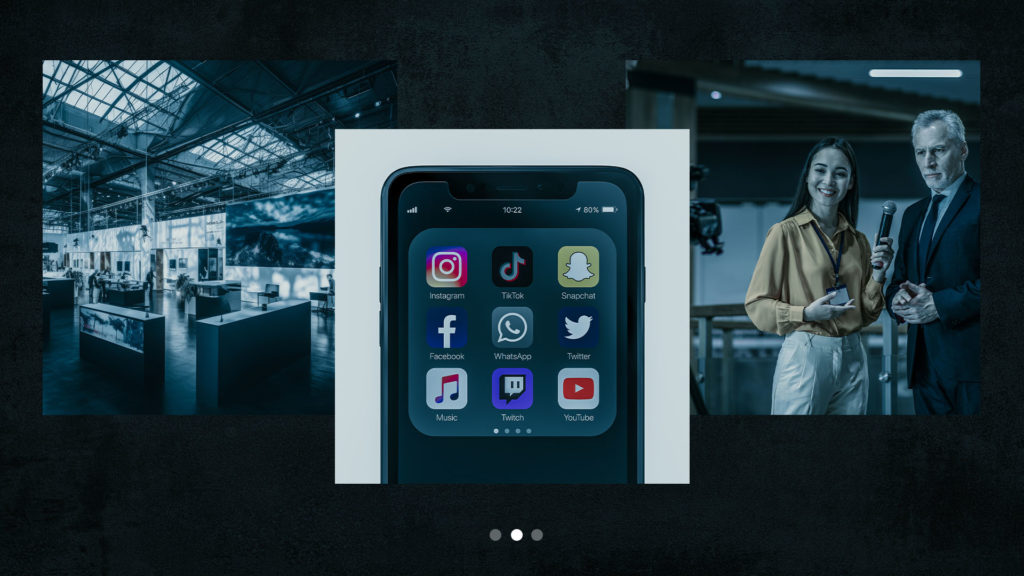
When Miller Brooks partnered with the Home Improvement Research Institute (HIRI), we set out to understand one question: How does social media truly influence homeowner remodeling decisions?
If you’ve ever worked in or around a product manufacturing company, you’ve likely seen it firsthand—that quiet, persistent tension between the sales and marketing teams.
There was a time when homeowners turned to social media for inspiration—and little else. It was a place to pin ideas, follow influencers, and daydream about renovations still months or years away.
If you’ve ever worked in or around a product manufacturing company, you’ve likely seen it firsthand—that quiet, persistent tension between the sales and marketing teams.
Artificial intelligence has been evolving since the 1950s, but the real game-changer today is generative AI—technology that draws on vast datasets to create new, original content. As of April 2025, over 57,000 usable AI tools existed, and that number continues to grow daily.
As we navigate through unprecedented territory in the social media landscape, the potential TikTok ban in the United States has created waves of uncertainty for businesses and content creators alike. With President Biden's April 2024 legislation requiring ByteDance to sell TikTok's US operations to an American company, we're at a crucial turning point that could reshape digital marketing strategies nationwide.
Competitive marketing audits often don’t get their fair share of respect, yet they remain one of the most valuable tools for brands in this ever-changing business environment.
When it comes to marketing channels, there are a lot from which to choose. Not only can it be overwhelming to decide which marketing channels to invest in, but understanding the differences in what each popular channel offers can be a lot to unpack.
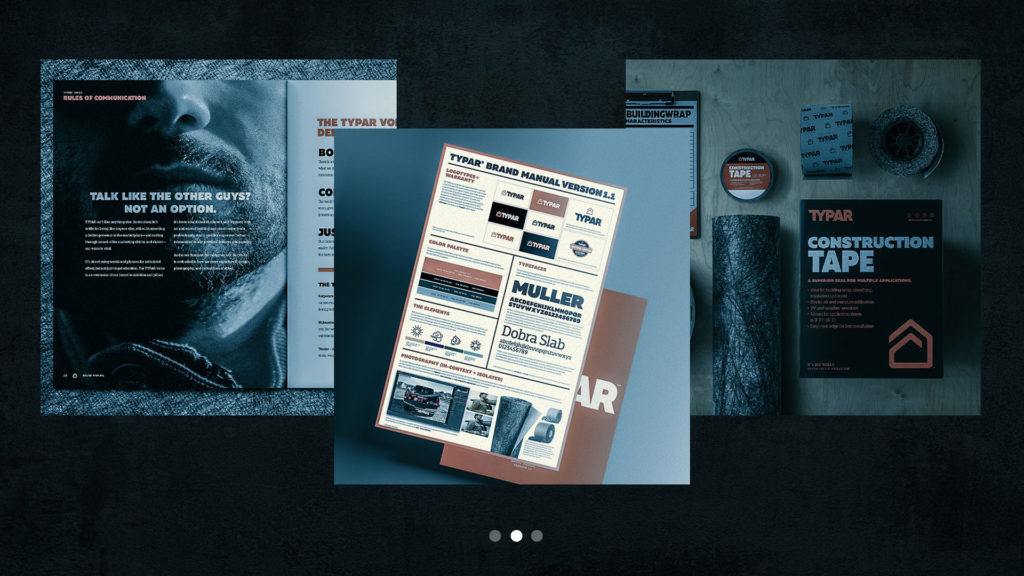
A strong brand sets your business apart. Even in the world of B2B, where purchases are more based in logic (as opposed to emotion), it’s imperative to build a solid brand that will engage customers and keep them coming back.
B2B marketing involves a network of intricate channels which demand professional creative, social media, analytics, public relations, account service, production, and operations.
B2B—business to business—simple, right? Not quite. B2B businesses operate within larger industries and understand their marketing funnel is unique to both their company and the industry in which their business lives.
B2B marketing + digital marketing is its own unique formula. The functions of digital marketing are utilized to uniquely work within B2B industries. B2B digital marketing agencies are excellent business partners for B2B companies, since B2B digital marketing professionals understand both the marketing side and the business side of that equation.
The goals of B2B digital marketing are to make your business’s buying-market aware of your brand, and what you offer; educate your target audience on how your products and/or services directly benefit their business; and ultimately, turn leads into customers who become brand loyalists who’ll provide long-term revenue potential.
Is digital marketing good for B2B? Absolutely! Any online marketing and advertising developed to promote your business is applicable to both B2B and digital marketing. It’s a natural pair.
Whether you already have a marketing team or you’re completely in the marketing dark, a B2B agency can help you clearly conceptualize and execute your B2B marketing plan.
As any marketer would tell you, what worked yesterday won’t necessarily work today. That’s why it’s important to stay informed about and open to new approaches.
Drink in the wonder of the world we call home. Look with your mind’s eye beneath the sunlit waves, where coral cities pulse with motion and color. Energy radiates all around and even reaches out to you. This crushed-ice refresher captures the vibrancy of the planet.
INGREDIENTS
1½ oz aged rum ½ oz Falernum ¾ oz lime juice 2 dashes Angostura® bitters
METHOD
Swizzle all ingredients with crushed ice until frost forms on the glass. Add more ice, if needed. Let the chill transport you.